Why tank cleaning success starts before the first chemical
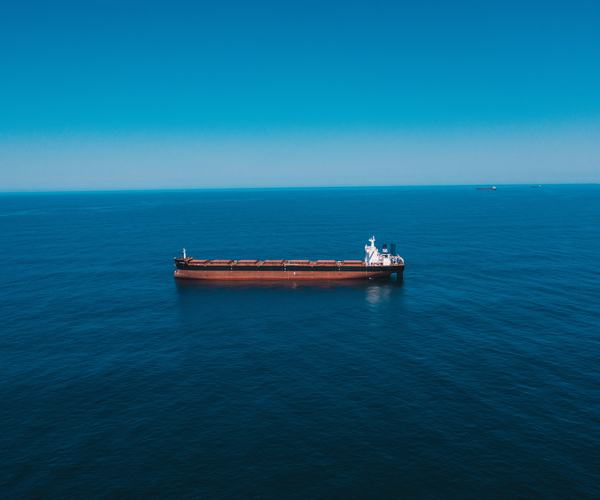
A vessel carrying coal today may be preparing for grain tomorrow. A tanker discharging one cargo may need to pass a strict inspection before it can load the next. Cargo residues, coatings, water quality, regulations and local conditions all shape how the cleaning should be done. Get it wrong, and the cost shows up quickly: delays, extra cleaning rounds, failed inspections or cargo claims.

That is why Marine Care has FleetCare, a dedicated advisory team that helps ship operators plan, execute and optimise tank and hold cleaning operations around the world, through the remote Cleaning Desk or with hands-on support on the vessel.
Planning is where most of the value is created
Successful cleaning starts long before the first chemical is applied. Planning, experience and technical understanding often make the biggest difference to the result.
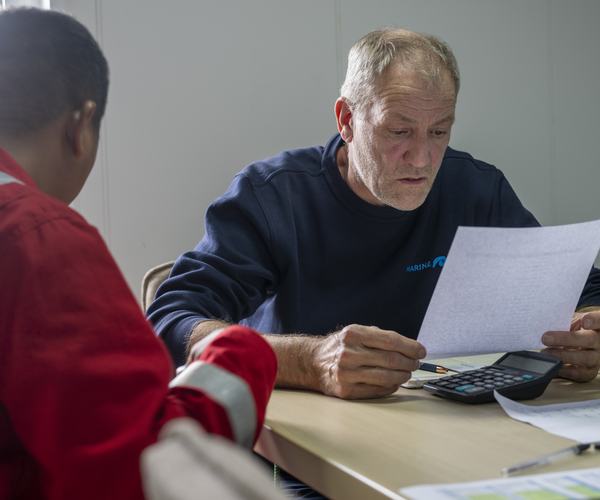
FleetCare helps customers decide on the most effective cleaning procedure for each cargo change. That includes selecting the right products and equipment, and building a practical plan that keeps risk low and turnaround short. The Cleaning Desk looks at the cargoes, the required specifications, the vessel's setup and the crew's experience, and the in-house supercargoes and chemists build a cleaning program from that. Customers want confidence that the cleaning strategy will work the first time, and the plan is what gives them that.
Advice backed by a laboratory
FleetCare's recommendations rest on field experience and on the work of Marine Care's laboratory and R&D centre in Rotterdam, where products are tested, quality is controlled and new cleaning solutions are developed. When a cargo is difficult, the laboratory can run cleaning simulations in the Tank Cleaning Simulator, so a solution is verified under controlled conditions before it is used on board.
This link between field experience and technical development means procedures are continuously improved. When something new comes up, whether a new cargo type, a new regulation or a new environmental requirement, the answer is tested before it reaches the vessel.
From recommendation to delivery
Advice has to be possible to carry out. FleetCare works alongside Marine Care's operations teams, regional offices and stock points, which reach more than 3000 ports from 95 locations, so the recommended products and equipment can reach the vessel, often under tight deadlines and changing conditions.
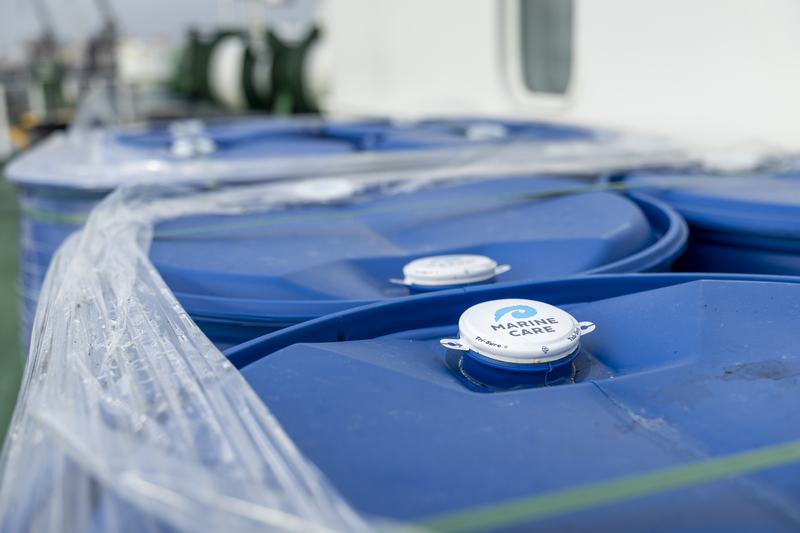
For customers, this means one partner from plan to port: the advice, the chemicals, the equipment and the follow-up.
What it means for your operation
Efficient cleaning affects four things on every cargo change:
- Turnaround time, and how quickly the vessel is back in service
- Operational flexibility, including which cargoes you can accept next
- Inspection outcomes, and the risk of rejection or claims
- Cost, from fuel and water consumption to time in port
Marine Care delivers the products together with the knowledge of how to use them.
Planning a difficult cargo change? Contact FleetCare at operations@marine.care, and we will help you find the right approach.
Read more about our tank cleaning and hold cleaning solutions.