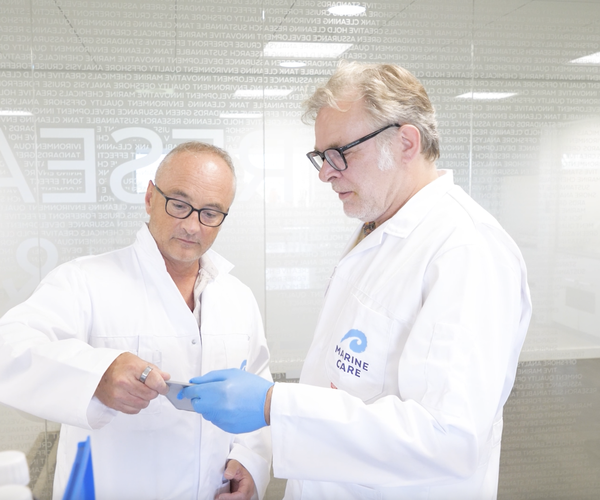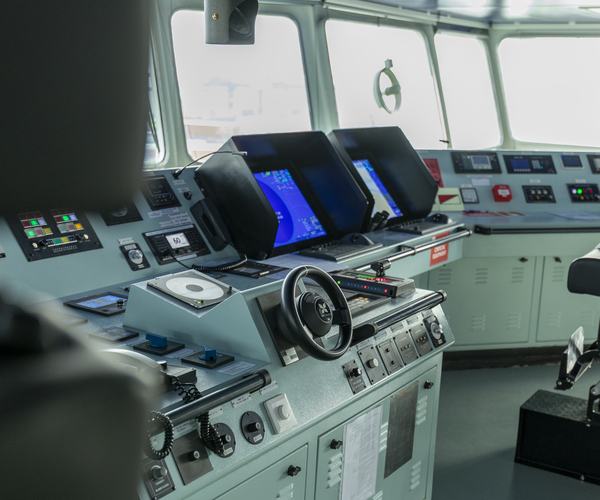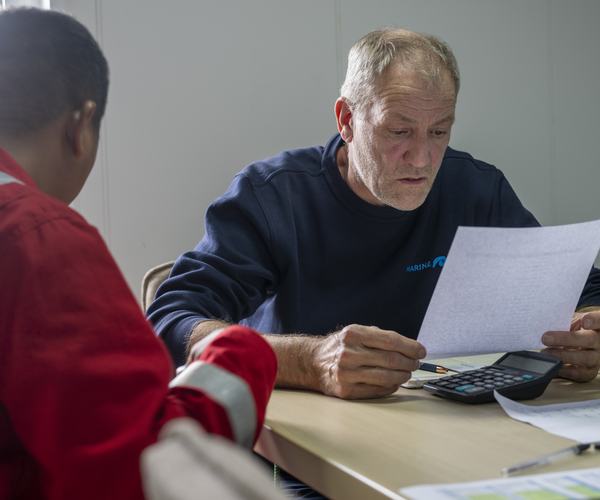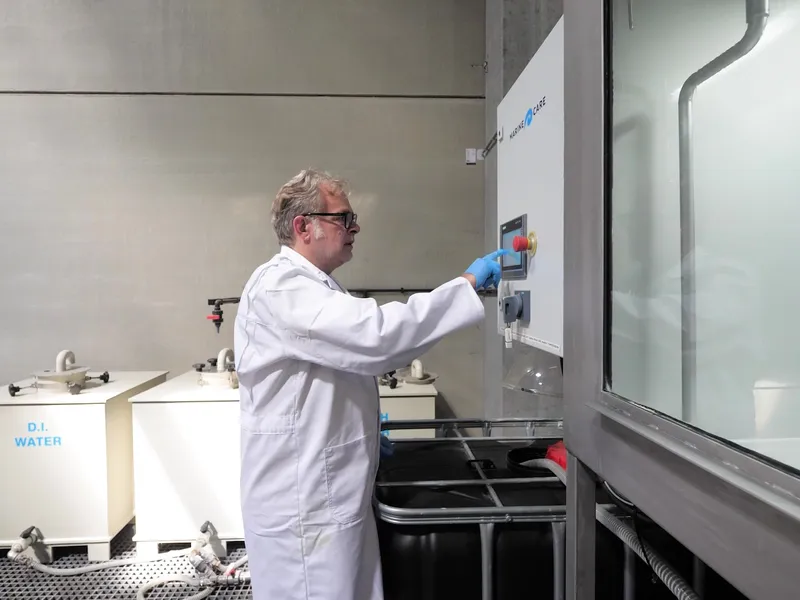
At Marine Care, our laboratory and R&D centre in Rotterdam is dedicated to tank and hold cleaning, water treatment and water analysis. Every product we supply is formulated here, and every production batch is verified here before it leaves the plant. Every cleaning procedure we recommend has been tested here first. We do this to give you the shortest possible cleaning time, with the lowest possible environmental impact, for the cargoes you carry.
Cleaning after vegetable oil cargoes, 40 to 50 percent faster
For years, cleaning after certain vegetable oil cargoes took several stages and a lot of time, and the industry accepted this as part of carrying them. Our R&D team wanted to do better. Working closely with our customers, they researched and tested a different approach that cuts cleaning time after these cargoes by 40 to 50 percent. When time in port is money, a result of that size removes a constraint the industry had lived with for years.
"Theory is important, but practical testing is essential. Sometimes the biggest improvements come from understanding not only the product, but the entire cleaning process," says Thomas van Os, Head of R&D and Laboratory Services at Marine Care.
Tested in our Tank Cleaning Simulation Unit before it goes on board
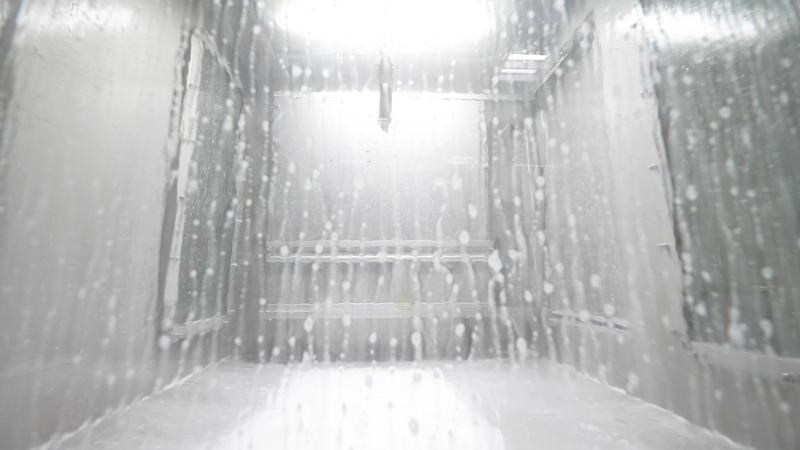
As a leading R&D centre specialising in tank cleaning and wall wash analysis, we have developed a unique, programmable, scaled-down Tank Cleaning Simulation Unit. It lets our chemists study how a product, a coating and a cargo residue behave together under realistic conditions. Every new solution follows the same path, from research and calculation to laboratory testing and validation in the simulator. Only then do we take it on board and test it in operation together with our customers. That is why our recommendations are specific to your cargo and your coating.
New technologies for cleaner, faster operations
Our R&D team is always looking for new technologies and new chemistry to improve our products for tank cleaning, hold cleaning and water treatment. Every project starts with two requirements: the result must shorten your cleaning time, and it must lower the environmental footprint of the operation. The vegetable oil result came out of this work. So does the steady improvement of products that have been in our range for years.
Analytical support for the vessels we supply
The people who develop our products are the same people who support your fleet in service. Our chemists in Rotterdam analyse your boiler water, cooling water and wash water samples and advise you on treatment. If a vessel cannot complete a cleaning and the cause is unclear, send us samples with details of the cargo, the coating and the procedure used. Our team will find the cause and come back with a recommendation your crew can act on. Our FleetCare advisers make sure the answer reaches the vessel in time.
From your operations to our laboratory, and back
We learn from every vessel we work with. Questions from FleetCare and from your operations come to Rotterdam, and the answers return to your fleet as better products, shorter procedures and advice that rests on evidence. Together we can make cleaning faster and more predictable.
Are you facing a cleaning or contamination problem you cannot explain? Get in touch at operations@marine.care. Our lab crew will be glad to help.
Read more about our research and development, our FleetCare advisory service, and our tank cleaning and water treatment products.
Common questions
Does Marine Care have its own laboratory?
Yes. Our laboratory and R&D centre is in Rotterdam. We develop and improve our products there, verify every production batch, analyse samples from vessels, and test cleaning procedures in our own Tank Cleaning Simulation Unit before we recommend them.
What is a Tank Cleaning Simulation Unit?
It is a programmable, scaled-down cargo tank that we developed in our Rotterdam laboratory. It shows how a cleaning product, a tank coating and a cargo residue behave together under realistic conditions, before anything goes on board.
Can cargo tanks be cleaned faster after vegetable oil cargoes?
Yes. Our approach cuts cleaning time after certain vegetable oil cargoes by 40 to 50 percent compared with the traditional multi-stage method.
Who can analyse samples from a failed tank cleaning?
We can. Send boiler, cooling or wash water samples, or samples from a failed cleaning with details of the cargo, coating and procedure, to operations@marine.care. Our chemists will find the cause and come back with a recommendation.